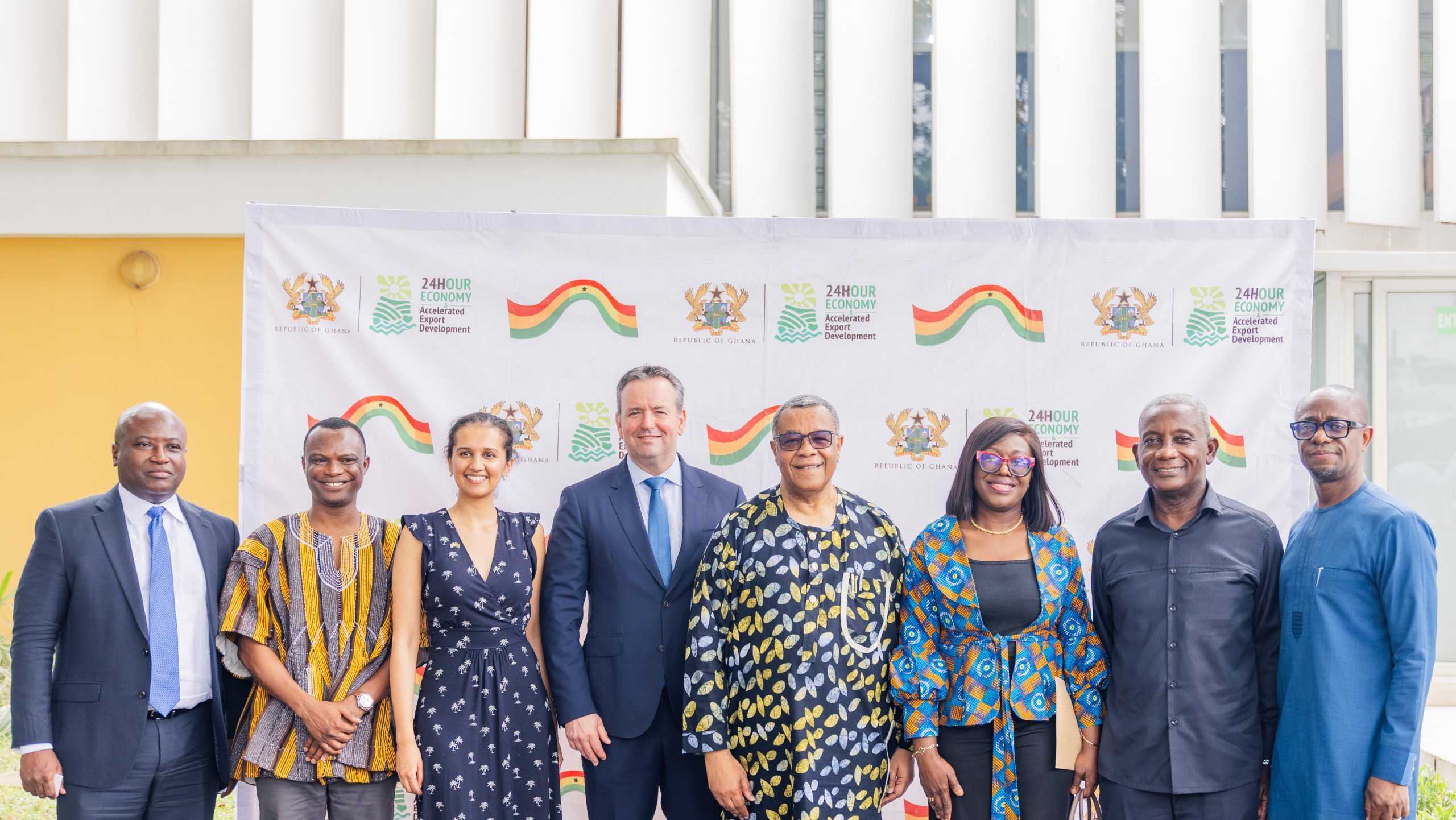
The 24-Hour Economy Secretariat has reaffirmed its commitment to creating a conducive environment for private sector-led investment and economic transformation, highlighting significant progress made under the Programme during the Ghanaian-German Economic Association Meet the Government Series 2026 held in Accra.
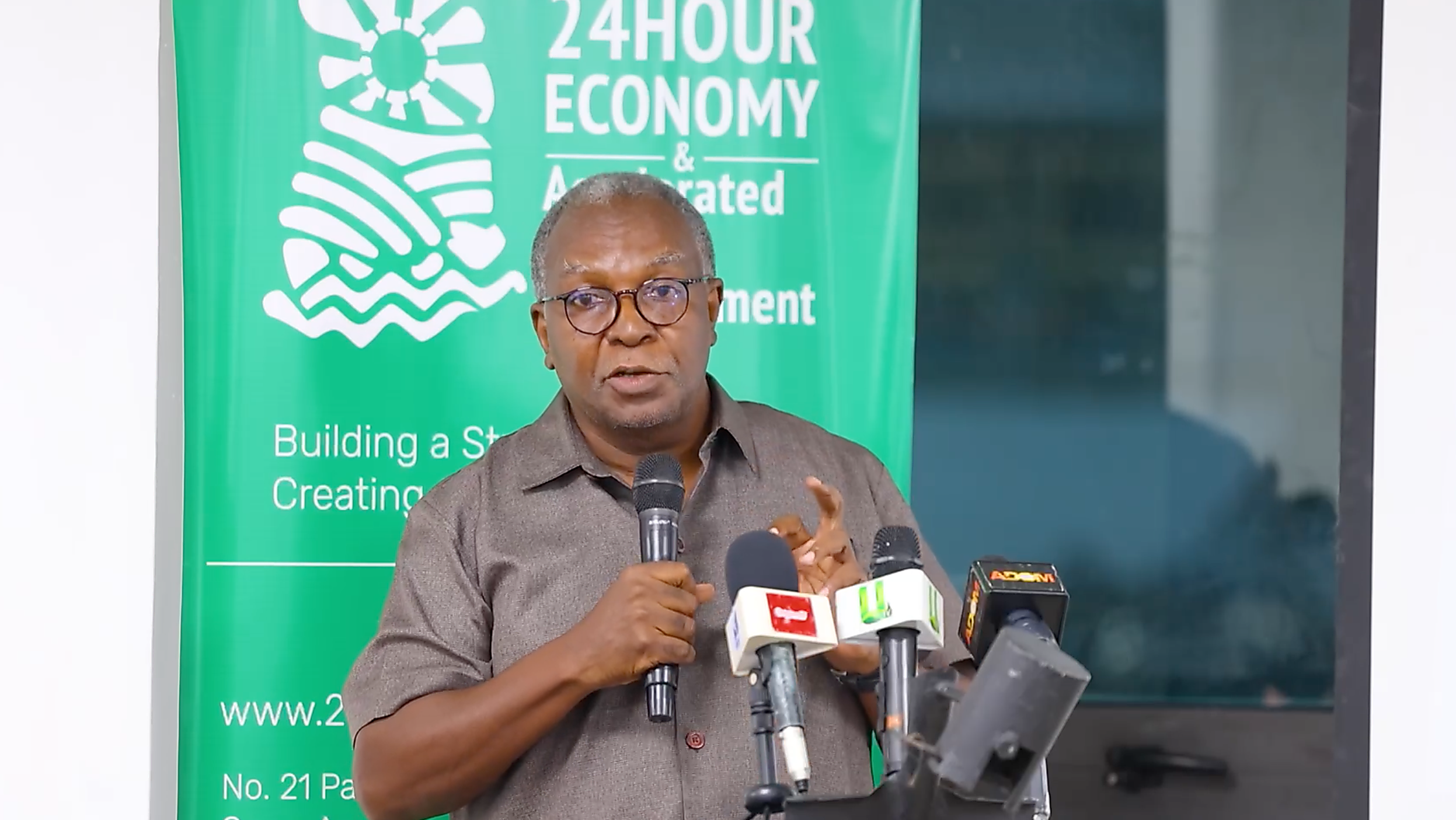
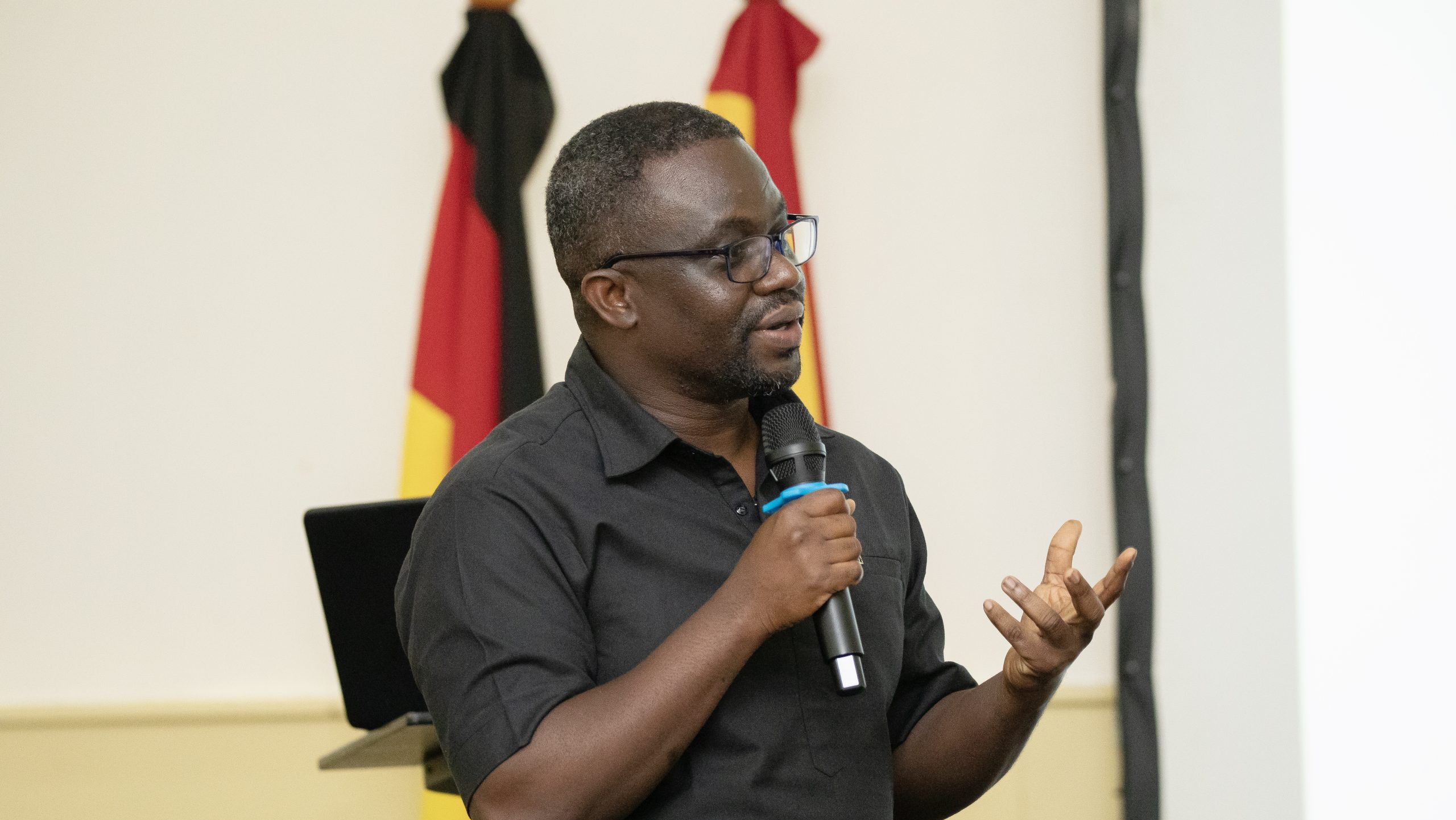
Speaking on the topic, “Exploring Business Opportunities under the 24-Hour Economy Transformative Pillars,” the Chief Programmes Officer of the 24-Hour Economy Secretariat, Mr. Abdul-Nasser Alidu, said the Programme has transitioned from policy development to implementation, with strategic interventions already laying the foundation for sustained industrial growth and job creation.
The Secretariat has engaged investors on projects valued at approximately US$11.5 billion, out of which US$6.5 billion has been secured through committed Joint Development Agreements, Mr. Abdul-Nasser disclosed. These investments are expected to accelerate Ghana’s industrialisation agenda while creating opportunities for businesses across key sectors, he explained.
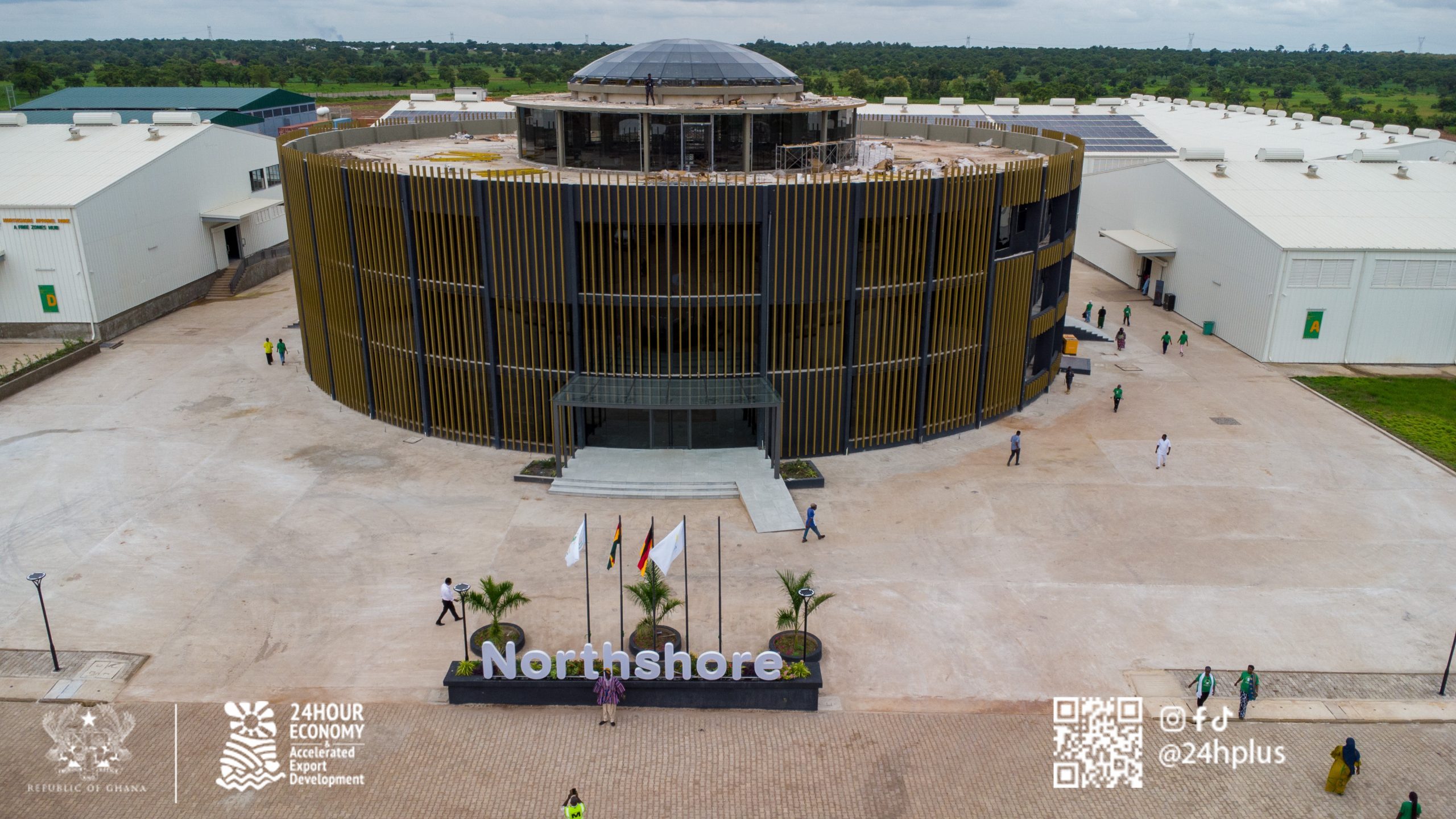
Several transformative projects are currently under development, including a 1.5-gigawatt solar power project at Buipe, a pharmaceutical park, the Volta Lake Transport Project and a network of industrial parks. The Buipe solar project is expected to significantly reduce industrial electricity costs from about 23 US cents to approximately 9 US cents per kilowatt-hour when its first phase becomes operational in 2027, improving the competitiveness of Ghanaian industries, he noted.
On the Volta Economic Corridor, a major initiative spanning 75 districts, the Chief Programmes Officer outlined progress on plans to stimulate economic activity beyond Accra through integrated transport infrastructure, agro-industrial parks and manufacturing hubs.
Reiterating the Programme’s implementation model, Mr. Abdul-Nasser emphasised that the 24-Hour Economy is fundamentally private sector-led, with Government creating the enabling environment by developing bankable projects, facilitating access to land, reducing investment risks and mobilising strategic partnerships.
“As Government, our role is not to execute these projects directly but to structure viable investment opportunities that allow private capital to drive Ghana’s economic transformation while creating sustainable jobs,” he said.
The Secretariat has finalised a land access policy and mobilised approximately 600 hectares of land to support priority investments under the Programme, Mr. Abdul-Nasser further disclosed.
Ghana’s declining unemployment rate reflects growing economic activity, he indicated, adding that the Secretariat is collaborating with the Ghana Statistical Service to establish a monitoring and evaluation framework that will accurately measure jobs created through the 24-Hour Economy Programme.
Businesses that have registered to participate in the Programme will be assessed through a structured gateway process and categorised according to their business needs, he explained. Depending on their category, businesses will receive tailored enterprise support, non-fiscal incentives and other interventions designed to facilitate expansion under the 24-Hour Economy Programme.
The presentation formed part of the GGEA Meet the Government Series 2026, organised under the theme “Fostering Economic Growth Through Strategic Engagement,” which brought together policymakers and the private sector to discuss investment opportunities and government initiatives aimed at promoting business growth in Ghana.
The 24-Hour Economy & Accelerated Export Development Programme is Government’s flagship economic transformation initiative, designed to enhance productivity, expand industrial capacity, create sustainable employment and position Ghana as a globally competitive investment destination through continuous production and service delivery.