The 24 Hour economy and accelerated export Development Secretariat is working with Poultry industry stakeholders to adopt an integrated value chain approach in their operations to increase local production, create jobs and substitute exports.
This strategy is also aimed at getting industry players to work together rather than focus on isolated aspects of the sector.
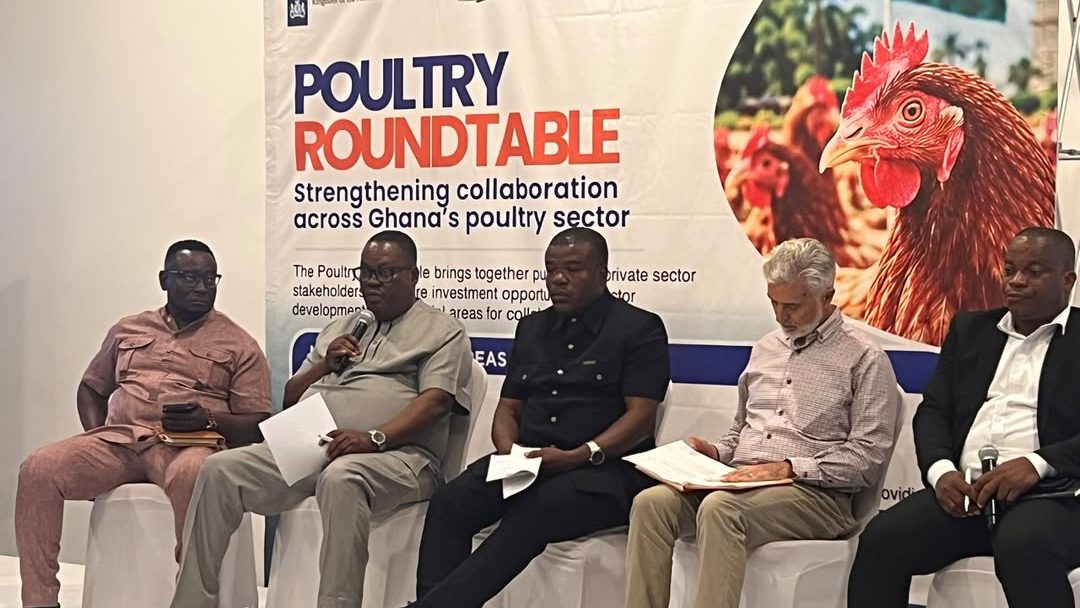
The Head of Sector Strategy and Integration at the Authority, Mr. Charles Nornoo, made these remarks at a poultry roundtable in Accra that brought together public, and private sector stakeholders to explore investment opportunities, sector development, and potential areas for collaboration.
He explained that many Ghanaians have become accustomed to consuming cheaper poultry cuts, making value addition through processing essential to improving the competitiveness of locally produced poultry.
The 24-Hour Economy Secretariat, he said, has identified three critical areas requiring investment to boost Ghana’s poultry sector.
“We discovered that the three critical areas that require investment in the poultry sector had to do with having deals at reasonable price, and then also being able to reduce feed costs, and then finally creating the local market for made in Ghana poultry” – He said during the roundtable discussion.
The secretariat said the objective is to promote an integrated poultry value chain to reduce the country’s reliance on imported chicken, which costs about US$400 million a year.
Ghana imports roughly 270,000 tonnes of the 340,000 tonnes of chicken it consumed annually, while local producers supply only a small share of demand.
The Secretariat’s strategy falls under GROW24, the 24H+ sub-programme for agriculture and food security, which lists poultry among its strategic value chains.
It supports the programme’s wider goal of moving Ghana from an import-dependent economy to a self-reliant, and production-led one.
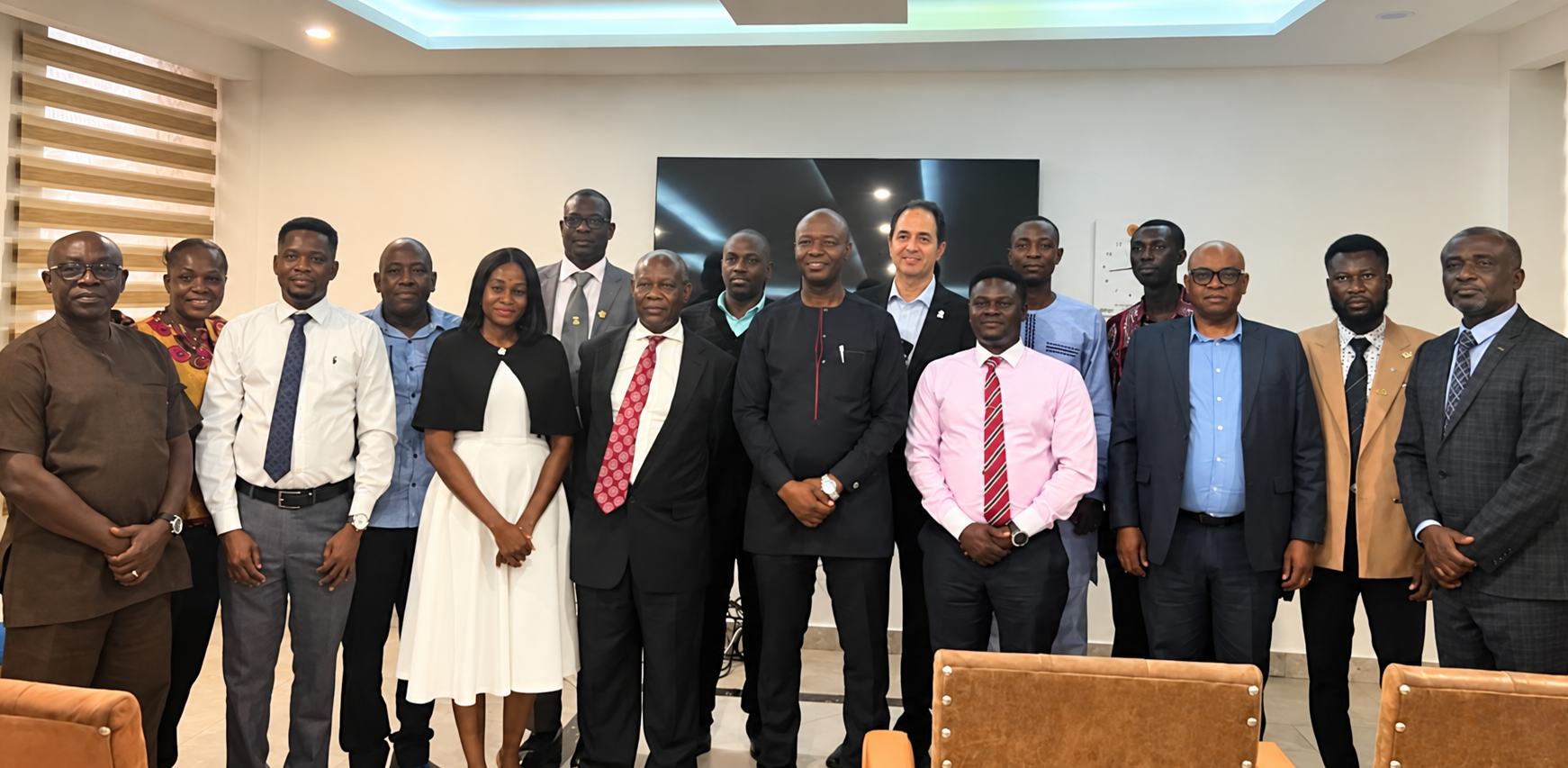
As part of the engagement, the 24-Hour Economy Authority team joined a delegation on a site visit to De Heus Ghana Limied at Tema Free Zones enclave. The visit, formed part of the broader engagement with industry stakeholders on poultry-sector development, investment opportunities and potential areas for collaboration.
General Manager for De Heus Ghana Limited, Alexander Peeters disclosed that the company is currently producing 440 metric tones of feed per day to support the poultry sector. 2025 alone, the company produced 120,000 metric tones of feed for both the domestic market and for export.
Mr. Peeters indicated they are working to establish another factory, more than twice the capacity of the current one in the Ashanti region to support the government’s objectives of job creation, industrial growth and import substitution under 24-Hour Economy programme.